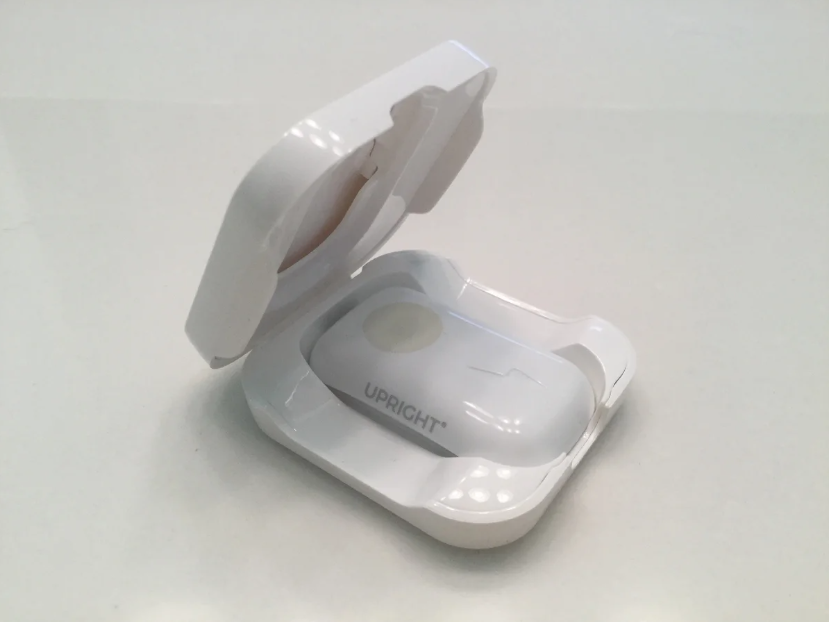
How I Fell for an Instagram Ad
Restoring posture is, unfortunately, not a quick process — I spent over twenty years ruining mine. Instagram clearly knows me well, because one day it showed me an ad for a gadget that instantly caught my attention:
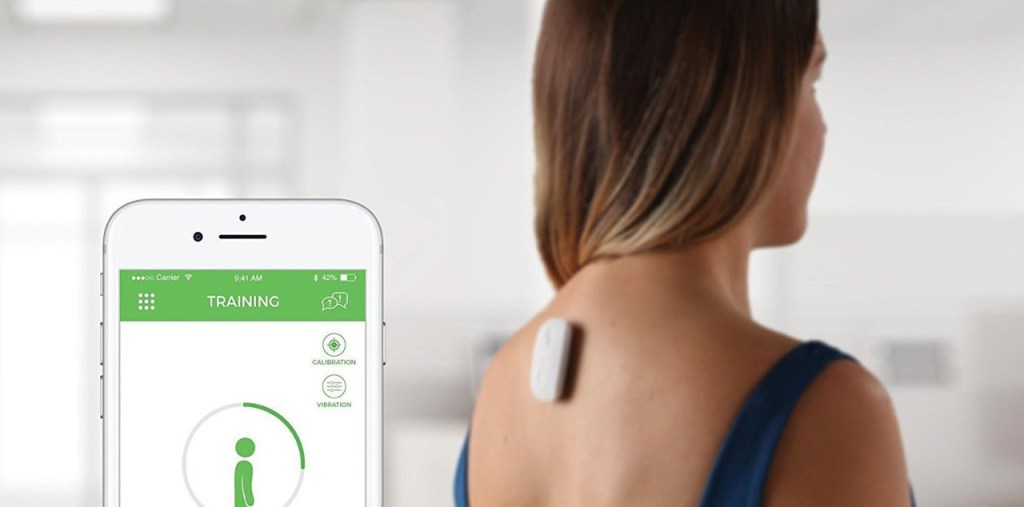
Unlike those bulky posture correctors I’d already thrown away, this little Upright Go device promised not to squeeze or rub — just gently tap me on the back whenever I started to slouch.
I wanted it.
So, for my birthday, I gifted myself this miracle in a sleek box.
In my impulse to order, I somehow didn’t wonder how it actually sticks to the back. Answer: with special adhesive patches that need regular replacement. Great — hello, marketing dependency. But fine, the first set came in the box, so I decided not to worry yet.
I downloaded the app. Turns out, you can’t just stick the gadget on and go — you need to open the app, connect to the device (not always on the first try), then sit perfectly straight and press the button to “set your ideal posture”. Add a few minutes to replace the adhesive, and you’ve got yourself a full ritual that can easily kill all motivation.
In the ad, the “training” mode looked impressive — the gadget lightly taps your back, reminding you to straighten up. To my surprise, it’s recommended for no more than 20 minutes a day.
The main mode — “tracking” — is basically Big Brother for your spine. It silently monitors you and later provides posture statistics. Sure, you can also stare at your phone to check your back in real time, as in the ad, but who wants to drain their battery doing that?
“Too boring,” I thought. “I’ll just keep it in training mode.”
That optimism didn’t last long. Almost every forward movement — even with a straight spine — was treated as slouching.
Spoon to mouth — ding-ding.
Throwing something in the trash — ding-ding.
Tying shoelaces — ding-ding.
Even, excuse me, in the bathroom — ding-ding.
Annoying doesn’t even begin to describe it.
I switched to tracking mode, which could send notifications if I “slouched for too long” (aka: cooked dinner or vacuumed). Those, too, were quickly ignored. And the statistics stopped being fun after the first week — clearly, half of what it labeled “bad posture” was just… life.
Now about those adhesives. Their lifespan turned out to depend entirely on how much you sweat. I don’t have a sweating problem, and this wasn’t about workouts — but even mild house chores were enough to make the gadget fall off and basically say,
“Ugh, you’re sweaty. Bye!”
The brand claimed one patch lasts a week, but maybe only if you spend that week in an air-conditioned museum.
When I finally gave up on adhesives and swore I wouldn’t buy more, the manufacturer brilliantly targeted me again — this time with an ad for a stylish necklace that could hold the gadget instead.
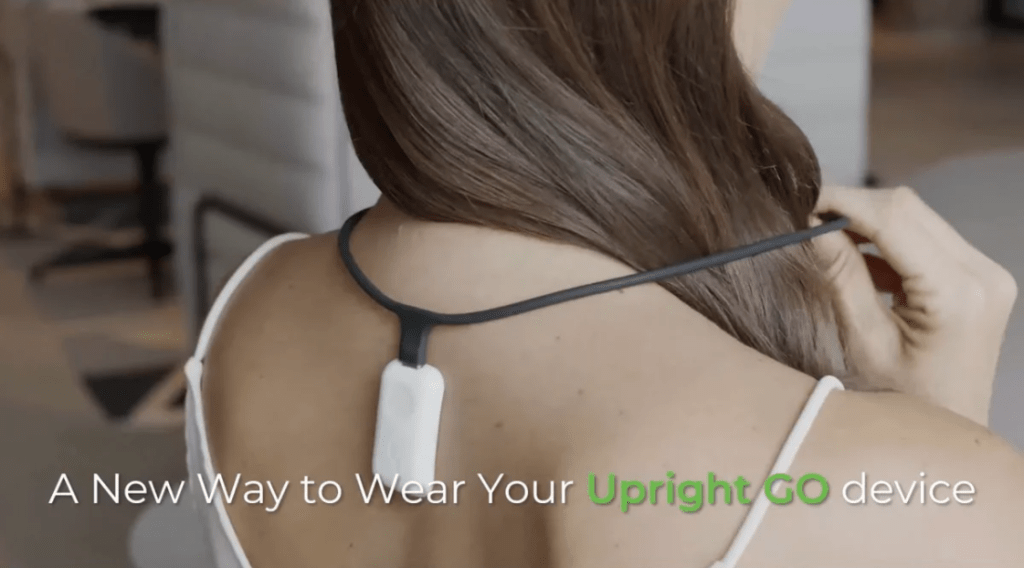
So convenient: no adhesives, no replacing, no falling off — and no chance to lose your $100 toy. Another $20? Fine.
Well. The accuracy, already not impressive, got even worse. The new setup made readings depend entirely on how the necklace sat on my neck.
Classic case of marketing victim.
Smartwatch on my wrist, headphones on my head, posture tracker around my neck… I was turning into a walking tech display. At least the other two devices were somewhat useful.
The Verdict
This gadget is not for anyone who moves. If you sit at a desk all day, maybe it helps a bit — but is it worth $120? I doubt it. You can learn to sit straight without paying for reminders that go ding-ding every five seconds.
I played with my toy occasionally until it died on its own — stopped turning on about a year later, after very light use.
Money well wasted.
The original Russian version of this article was published on February 21, 2020.
Powered by coffee ☕
Every drop keeps the stories flowing.
